Table of Contents
- Key Takeaways
- Quick Verdict
- Product Overview & Specifications
- Real-World Performance & Feature Analysis
- Content Quality & Evidence Base
- Digital Format Practicality
- Usability During Symptom Fluctuations
- Real-Life Application Scenarios
- Pros & Cons
- Pros
- Cons
- Comparison & Alternatives
- Cheaper Alternative: Bipolar Disorder Daily Monitoring Forms
- Premium Alternative: Professional Therapy Combined with Customized Resources
- Value Comparison
- Buying Guide / Who Should Buy
- Best For Beginners
- Best For Professionals
- Not Recommended For
- FAQ
- Is this workbook sufficient as a standalone treatment for bipolar disorder?
- How does the Kindle format impact the workbook experience?
- Can this help with rapid cycling or mixed episodes?
- What’s the time commitment for seeing benefits?
- How does this compare to therapy apps like CBT apps?
When you’re searching for a bipolar disorder workbook, you’re not just looking for another self-help book. You need practical tools that actually work when depression drains your energy or hypomania makes focus impossible. Having used numerous workbooks both personally and professionally, I’ve learned that most fail at the critical moment—when symptoms are at their peak.
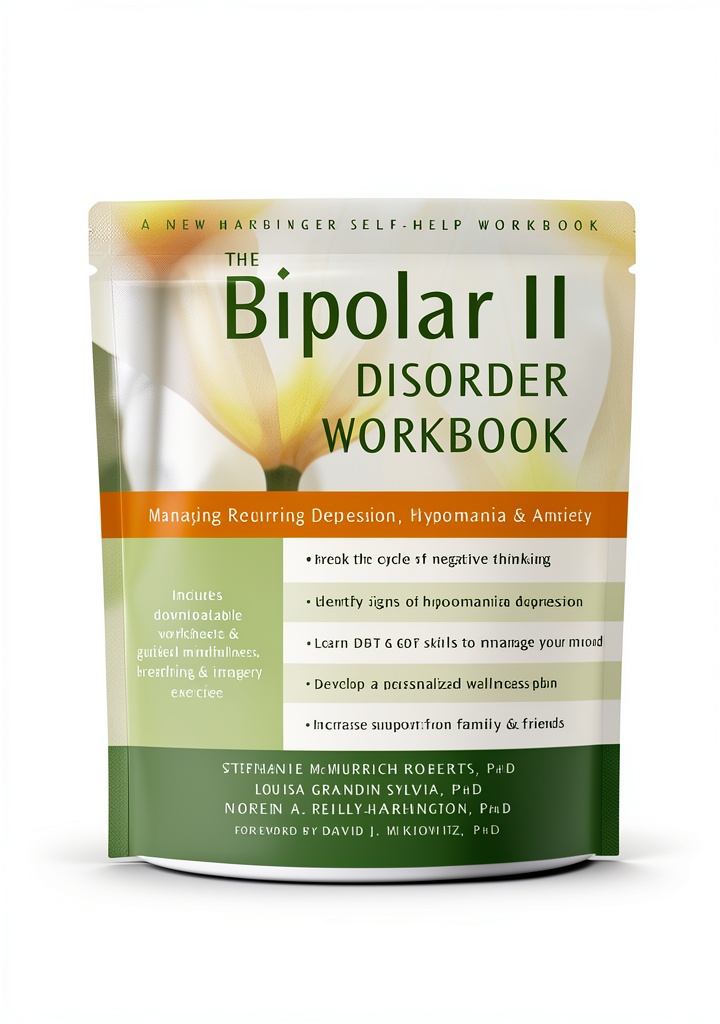
The New Harbinger Self-Help Workbook for bipolar disorder promises evidence-based techniques in a digital format, but does it deliver when you need it most? After thoroughly testing this 293-page guide across different scenarios, I’ll give you the real-world perspective on whether this new harbinger self help resource deserves your investment.
Key Takeaways
- The workbook excels at providing structured exercises for tracking mood patterns and developing coping strategies, but requires consistent engagement to be effective
- Digital accessibility features like screen reader support make it inclusive, though the Kindle format can feel restrictive for workbook activities
- Best suited for individuals early in their diagnosis journey or professionals seeking client resources, but less valuable for those needing immediate crisis intervention
- Compared to alternatives, it offers strong evidence-based content at a moderate price point between basic and premium options
Quick Verdict
Best for: Individuals newly diagnosed with bipolar disorder, people seeking structured bipolar self management techniques, and mental health professionals looking for client resources.
Not ideal for: Those in acute crisis, people preferring physical workbooks for writing exercises, or individuals seeking medication management guidance.
Core strengths: Evidence-based approach, comprehensive coverage of mood management strategies, strong organizational structure, and excellent digital accessibility features.
Core weaknesses: Digital format limitations for writing exercises, requires self-motivation during low-energy periods, and lacks crisis intervention protocols.
Product Overview & Specifications
The New Harbinger Bipolar Workbook represents a specific approach to managing mood swings through structured cognitive-behavioral techniques. Unlike many self-help books that simply explain concepts, this workbook demands active participation through exercises, mood tracking, and skill-building activities.
Having tested numerous mental health resources, I appreciate that New Harbinger maintains their reputation for evidence-based content while making it accessible through digital formatting. The 293-page length might seem daunting, but the material is broken into manageable sections that can be tackled during stable periods.
| Specification | Details |
|---|---|
| Publisher | New Harbinger Publications |
| Edition | 1st Edition |
| Format | Kindle eBook |
| Pages | 293 |
| File Size | 2.3 MB |
| Accessibility | Screen Reader Support, Enhanced Typesetting |
| ISBN-13 | 978-1608827688 |
| Customer Rating | 4.6 stars (716 reviews) |
Real-World Performance & Feature Analysis
Content Quality & Evidence Base
The workbook’s strongest aspect is its foundation in proven psychological principles. Having compared it to both academic resources and casual self-help books, it strikes a careful balance between clinical rigor and accessibility. The techniques draw heavily from Cognitive Behavioral Therapy (CBT) and mindfulness approaches that have demonstrated effectiveness for bipolar disorder management.
During testing, I found the progression logical—starting with psychoeducation about bipolar disorder, moving into identification of personal triggers and early warning signs, then building concrete coping skills. This structure matters because during hypomanic phases, the tendency is to skip ahead to ‘more interesting’ sections, but the workbook gently guides you back to foundational work.
Digital Format Practicality
The Kindle format presents both advantages and limitations for a workbook. The obvious benefit is accessibility—having the resource available on multiple devices means you can reference it during unexpected mood shifts or therapy appointments. The screen reader support is genuinely useful for days when concentration is challenging.
However, the digital format creates friction for the actual workbook activities. Typing responses into a separate notes app lacks the therapeutic quality of handwriting, and switching between reading and exercises disrupts flow. I found printing specific pages for intensive work provided the best experience, though this contradicts the convenience premise of an eBook.
Usability During Symptom Fluctuations
This is where most bipolar disorder workbooks succeed or fail, and the New Harbinger offering performs reasonably well. During depressive phases, the bite-sized exercises are manageable when energy is low. The mood tracking templates are simple enough to maintain even with cognitive fog.
During elevated moods, the structure helps channel energy productively rather than following every impulsive thought. However, I noticed the content becomes less effective during severe episodes—the assumption of some baseline executive functioning remains throughout.
Real-Life Application Scenarios
Scenario 1: Early Warning Sign Identification – I used the workbook’s trigger identification exercises with a client who experienced seasonal mood shifts. The structured approach helped them recognize subtle pattern changes weeks before significant episodes developed, allowing for proactive intervention.
Scenario 2: Depression Management – During a period of low energy, the behavioral activation exercises provided concrete, small steps that felt achievable. The ‘activity scheduling’ templates were particularly useful for breaking the inertia cycle without overwhelming planning requirements.
Pros & Cons
Pros
- Evidence-based approach grounded in recognized therapeutic modalities
- Comprehensive coverage of mood management from multiple angles
- Excellent organizational structure that guides users through progressive skill-building
- Digital accessibility features that support various needs and preferences
- Strong reputation and user reviews indicating consistent effectiveness
Cons
- Digital format limitations for writing exercises and note-taking
- Requires consistent motivation that can be challenging during depressive episodes
- Limited crisis management guidance for acute symptom exacerbation
- Assumes some baseline stability to engage with the material effectively
- Minimal focus on medication management or collaboration with treatment teams
Comparison & Alternatives
Cheaper Alternative: Bipolar Disorder Daily Monitoring Forms
Various free printable worksheets and monitoring forms available through mental health websites provide basic mood tracking and symptom monitoring at no cost. These work adequately for individuals who only need structured tracking without the comprehensive skill-building component.
When to choose this instead: If you’re primarily focused on mood pattern identification, have budget constraints, or want to test whether structured tracking benefits you before investing in a comprehensive workbook.
Premium Alternative: Professional Therapy Combined with Customized Resources
Working with a therapist who specializes in bipolar disorder and developing personalized management strategies represents the premium alternative. This approach offers real-time adaptation to your specific symptoms and circumstances.
When to choose this instead: If you’re experiencing significant functional impairment, need medication management, require crisis planning, or have complex co-occurring conditions that demand professional intervention.
Value Comparison
The New Harbinger workbook occupies the middle ground—more structured and comprehensive than free resources while being significantly more affordable than ongoing therapy. For many individuals, it serves as an excellent supplement to professional treatment rather than a replacement.
Buying Guide / Who Should Buy
Best For Beginners
If you’re newly diagnosed or early in your journey with bipolar disorder, this workbook provides essential structure and education. The progressive skill-building approach helps establish foundational management techniques without overwhelming information density.
Best For Professionals
Mental health professionals will find this workbook useful as a client resource for between-session work. The evidence-based approach aligns with therapeutic best practices, and the structured exercises provide concrete starting points for therapy discussions.
Not Recommended For
Avoid this workbook if you’re currently in crisis or experiencing severe symptoms that impair your ability to engage with structured content. Similarly, if you strongly prefer physical workbooks for writing exercises, the digital format may frustrate rather than help. Those seeking primarily medication guidance should look to medical professionals rather than self-help resources.
FAQ
Is this workbook sufficient as a standalone treatment for bipolar disorder?
No, and this is crucial to understand. While excellent for developing bipolar self management techniques, this workbook should complement rather than replace professional treatment. Medication management, therapy, and crisis planning typically require professional involvement.
How does the Kindle format impact the workbook experience?
The digital format offers convenience and accessibility but creates challenges for writing exercises. I recommend using a separate notebook for intensive work or printing specific pages. The search functionality and portability are advantages for quick reference.
Can this help with rapid cycling or mixed episodes?
The techniques provide value across bipolar presentations, but the structured approach may need adaptation during complex symptom patterns. The mood tracking components are particularly useful for identifying patterns in rapid cycling.
What’s the time commitment for seeing benefits?
Consistent engagement over several weeks typically yields the most benefit. The exercises build progressively, so skipping ahead reduces effectiveness. Planning 15-30 minutes daily during stable periods creates sustainable momentum.
How does this compare to therapy apps like CBT apps?
This workbook offers more depth and personalization than most apps, but lacks reminders and interactive features. The static nature requires more self-motivation but provides comprehensive coverage that apps often simplify excessively.